
Moving Appliances Safely: Tips for a Smooth Move
Whether it’s your washer and dryer, a heavy gas range or just the microwave, moving appliances takes a few specific steps so everything works perfectly at your new house or apartment.
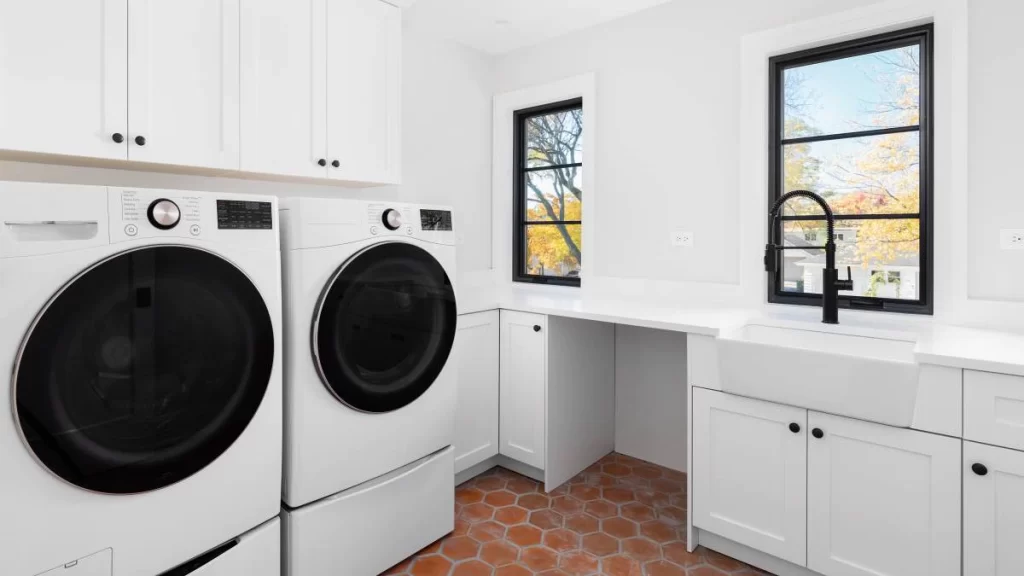
Before you unplug anything, make sure you’ve taken the right precautions for every appliance you’re moving, big or small. Here’s how to prepare each one.
Washer and dryer
As with all appliances, make sure your washing machine is clean and dry, otherwise mildew and mold can grow.
Disconnect the hoses and drain them completely. Wrap any metal hose ends in a towel or other padding and place them inside the washer tub. Then secure the tub so it can’t bump around in transit. Your operating manual will usually explain how to install the tub’s shipping bolts or tighten the tub screws; if you don’t have instructions, you can buy a kit at a local hardware store.
When moving your dryer, clean the lint trap before unplugging the cord. Check the outlets at your new place too: dryer plugs come in three- and four-prong versions, and your cord may not match the socket. If it doesn’t, don’t worry. Replacing the cord is an easy fix.
Dishwasher
Disconnect and drain all hoses, and make sure the inside of your dishwasher is clean and dry before it moves. It’s a good idea to leave the door ajar for a few days beforehand (while you eat off disposable plates) so the interior dries completely. Once the hoses are dry, wrap them in a towel or crushed paper and place them inside the unit for transport.
Stove and oven
Clean the unit of all grease and crumbs, since grease attracts dust and can leave stains. Remove any loose parts, such as electric coils or grates, and pack them separately in a well-cushioned box. If you have a gas range, have it disconnected and reconnected by a qualified technician.
Refrigerator
If your fridge is coming with you, use up or dispose of all perishables at least a week before the move.
Refrigerator interiors are airtight, so make sure the inside is bone-dry before you close it up, especially for long-distance moves. A small amount of moisture can let mold and mildew run rampant. Unplug the unit, then remove and clean all interior shelves and baskets. Once all moisture has evaporated, pack them in a separate box.
Pull the fridge out from the wall and vacuum the coils and compressor area in the back. Empty and clean the evaporator (drip) pan and give it plenty of time to dry. If your fridge has a water or ice hookup, turn off the supply valve, disconnect the line and empty the water reservoir.
After the move
Have the water line reconnected properly, and wait at least 24 hours before you use the fridge so the oil can settle and protect the compressor. Once the water dispenser and icemaker are hooked up, throw out the first few batches of ice and a couple of large pitchers of water to flush any impurities from the lines.
Microwave
Luckily, your microwave is much simpler. Remove breakable parts such as the glass turntable, wrap them in a towel and pack them in a sturdy box. Pack the microwave in a right-sized box with plenty of cushioning, and make sure nothing can press the door open during the move.
If you have a very large unit, you can ask your movers to simply quilt-pad it and load it on the truck.
Small and hand-held appliances
Curling irons, hair dryers and clock radios need no special preparation. Wrap the cords securely, cushion each item with crushed paper and place it in a box. Empty irons of all water first.
Label every box of electrical items with its contents. You don’t want anything getting wet in transit, so consider watertight plastic bins for extra protection.
When to call the pros
Even if you’ve decided to move your own furniture and boxes, consider hiring a professional moving company for your appliances, especially if you have a lot of them. Bulky, delicate equipment is easily damaged without the right equipment and experience. Our crews pad-wrap appliances and load them upright and secured. Ask Black Swan Moving before your move about the specific steps for your appliances, or see our local moving and labor-only moving options.
Appliance moving FAQ
Can a refrigerator be laid on its side?
Upright is best. If it has to travel on its side, check your manual and let it stand upright for at least 24 hours before plugging it in so the oil can return to the compressor.
Will movers disconnect gas appliances?
Gas lines should be disconnected, capped and reconnected by a licensed technician, not by a moving crew. Schedule that before moving day.
How far ahead should I defrost the freezer?
Unplug it about 24 hours before the move so it can defrost and dry, and put towels down to catch the melt.
Let us move the heavy appliances
Tell us what you’re moving and when. We’ll send a free quote and handle the heavy lifting with care.